 Silver Creek Garage Door panel Replacement
Silver Creek Garage Door panel Replacement
Silver Creek Garage Door panel Replacement
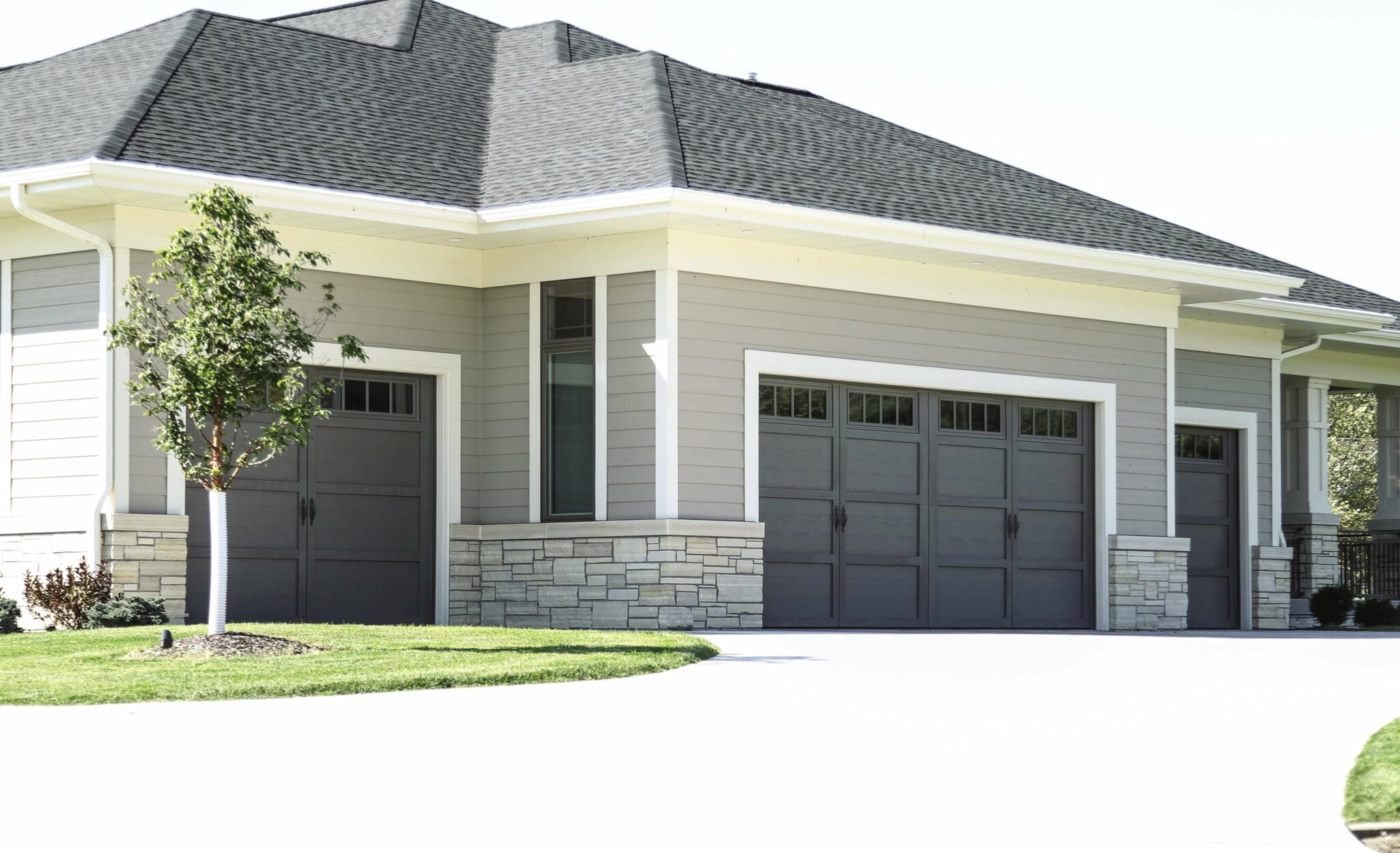
Garage door panels do more than fill space between the frame and the ground. They carry load, absorb movement, and flex slightly with every open and close cycle. In Silver Creek, a residential area on the eastern edge of San Jose, those demands are compounded by the local environment and the age of many homes in the neighbourhood.
Silver Creek is known for its planned communities, hillside terrain, and homes built largely from the late 1980s through the early 2000s. Many of those original garage doors are still in service today, which means the panels have been through tens of thousands of cycles and years of weather exposure. Over that kind of lifespan, pressure points develop in predictable locations, and understanding where and why helps homeowners catch problems before they become structural failures.
This article walks through the main pressure areas on garage door panels, the conditions in Silver Creek that accelerate damage, and what to look for during a basic visual inspection.
A pressure point forms wherever force concentrates on a panel surface rather than distributing evenly. This can happen because of how the door is hung, how it moves along the track, or how the hardware connects to the panel itself. Even a small misalignment in the track system is enough to create a stress concentration that wears down the panel over time.
Every time the door travels from closed to open and back, it bends slightly at the joints between panels. The hinges that connect those panels are designed to manage that flex, but when hinges wear or loosen, the flex transfers into the panel surface instead of the hinge mechanism. That is when cracking and deformation begin.
Panels also bear load from the weight of the door itself when the spring system is not fully compensating. If a spring loses tension, the panels absorb more of the door weight during travel, which concentrates stress along the bottom edge of the top panel and the top edge of the bottom panel.
The bottom panel of a garage door is the most exposed and the most stressed of all the sections. It contacts the floor seal with every close cycle, absorbs road debris and water that enters from the driveway, and is the first surface struck when a vehicle pulls in slightly too far. In Silver Creek homes, where many driveways have a slight downward slope toward the garage, the bottom panel also takes the impact of the door landing at speed if the close limit is set even slightly off.
Pressure along the bottom edge builds up gradually. The panel skin begins to bow inward or outward depending on where the force is concentrated. Corners crack first because they are the stiffest points on an otherwise slightly flexible panel surface. Once a corner crack forms, water enters and the deterioration accelerates, particularly during the wet season.
The bottom panel also carries the retainer that holds the rubber door seal. When that retainer bends from repeated ground contact or driveway heave, it pulls unevenly on the panel skin and creates stress lines across the lower face of the section. Technicians from Carlos Garage Door Services regularly note that bottom panel damage in Silver Creek properties is often linked to a combination of close limit drift and driveway grade rather than a single isolated cause.
Horizontal stress lines running across the face of a panel usually appear in the middle sections of the door. These lines form when the panel flexes more than its design tolerates, typically because the hinges connecting it to adjacent sections have loosened or the track rollers are not running smoothly.
In Silver Creek neighbourhoods, this type of damage is particularly common on steel doors that were installed in the 1990s using lighter gauge material. Those panels were adequate for normal residential use at the time, but decades of cycling have fatigued the metal to the point where horizontal creasing becomes visible. Once the surface steel folds, the structural integrity of the entire section is compromised.
Horizontal stress lines also develop when an opener applies uneven force during the initial pull at the start of the open cycle. If the trolley connection point is off-centre or if the opener bracket has shifted, the force is applied asymmetrically and the panel bends along a horizontal axis rather than lifting cleanly from the balanced centre.
The side edges of each panel pass through or very close to the vertical track as the door travels. When the track is correctly aligned, there is a consistent clearance and the panel edges never contact the track surface. When alignment drifts, the panel edges begin to rub, chip, and eventually crack along the vertical sides.
Track misalignment in Silver Creek homes often originates from the concrete settling around the garage foundation over time. The hillside terrain in parts of the neighbourhood means that soil movement is more pronounced than in flat areas, and even minor foundation shifts can pull a track bracket out of its correct position. Understanding how automated garage access systems interact with track geometry is relevant here, since opener rail alignment and track alignment must work together to prevent edge pressure from developing on panels.
Corner damage from track contact tends to be progressive. It starts as a scuff mark on the panel edge, develops into a chip, and eventually becomes a crack that extends inward toward the face of the panel. By the time the damage is visible from the outside, the panel has usually been rubbing for months.
Silver Creek sits in a part of San Jose that sees warm dry summers and mild wet winters. The seasonal transition from dry to wet is particularly hard on garage door panels because materials that have contracted during dry months absorb moisture quickly when the rains arrive. Steel panels expand and contract with temperature, but the rate of that movement varies depending on the finish, the gauge, and the insulation layer behind the panel face.
Homes along the hillside sections of Silver Creek are also more exposed to wind driven rain than properties on flat ground. Water that reaches the back side of a panel through gaps in the weatherstripping or around the frame causes rust on steel panels and rot on wooden sections that is not visible from the front. By the time homeowners see bubbling paint or surface rust on the exterior, the damage on the interior face is often already significant.
Tree debris is another contributing factor in Silver Creek neighbourhoods with mature landscaping. Branches, seed pods, and leaf matter that collect along the top edge of the door trap moisture against the panel surface and accelerate paint failure, which removes the protective barrier between the steel and the outdoor environment.
Not every dent or scratch means a panel needs to be replaced. Small cosmetic damage does not affect the structural performance of the door. The threshold for replacement is when the damage affects how the door seals, how it travels along the track, or how it bears load during operation.
A panel that is visibly bowed, cracked through its full thickness, or no longer sits flush with adjacent sections should be replaced promptly. A gap between panels compromises the insulation value of the door, allows pests to enter, and in steel doors creates an edge where rust will spread rapidly if left untreated.
For Silver Creek homeowners considering whether repair or full replacement makes more sense, the age of the door matters significantly. A door that is twenty years old with one damaged panel is likely to develop pressure points in adjacent sections within the next few years. In that situation, Silver Creek garage door panel replacement as part of a broader door upgrade is often more practical than patching individual sections. A quick search for garage door panel replacement near me can connect you with local professionals familiar with the door styles and conditions common in Silver Creek properties.
Garage door panel damage in Silver Creek homes rarely happens in isolation. A cracked corner, a stress line across the middle section, or edge damage from track contact are all symptoms of a system that has drifted out of balance over time. The panel is showing you where the force is going, which points toward something mechanical that deserves attention.
The most useful habit any homeowner can develop is a regular visual walk-around of the garage door every few months. Running a hand along the panel surfaces, checking hinge bolts for looseness, and looking at the seal along the floor takes less than five minutes and catches pressure point development before it becomes structural damage.
Silver Creek properties have served their owners well for decades, and the garage doors on those homes have done the same. Knowing what the pressure points mean and what causes them makes it much easier to stay ahead of the wear rather than respond to it after the fact.
Carlos Garage Door Services, based in San Jose (1041 Andrea Dr, San Jose, CA 95117), delivers an expert garage door repair service built on the honest commitment of family-owned reliability, personalized service, and quality workmanship, backed by over 25 years of professional experience. The firm provides a comprehensive range of solutions for homeowners and businesses seeking reliable garage door spring repair near me, from emergency fixes and overhead door spring repair to garage door replacement, garage door opener replacement, garage door installers services, garage door installation companies projects, garage door motor repair, garage motor installer, broken spring replacement, cable replacement, panel/roller/track adjustments, opener repairs/installations (including smart Wi-Fi models), maintenance tune-ups, and full servicing using high-quality parts with manufacturer warranties and service guarantees. Recognized for its quality workmanship and 5.0-star rating, its team of expert technicians operates 24 hours with emergency service available (no extra charges for nights/weekends) and can be contacted on its primary line, (408) 850-0805.
Name: Carlos Garage Door Services
Address: 1041 Andrea Dr, San Jose, CA 95117
Phone: (408) 850-0805
Website: https://www.carlosgaragedoorservice.com/locations/san-jose
Services: Garage door repair, opener repair, motor repair, spring repair, cables repair, opener replacement, panels replacement, new garage installation service, converting manual garage door to automatic
Hours: Monday-Friday: 00:00-23:59
Reviews: Customers praise their promptness, professionalism, and efficient same-day service with consistent 5-star ratings.